Destination Spotlight: Guyana - April 1, 2026

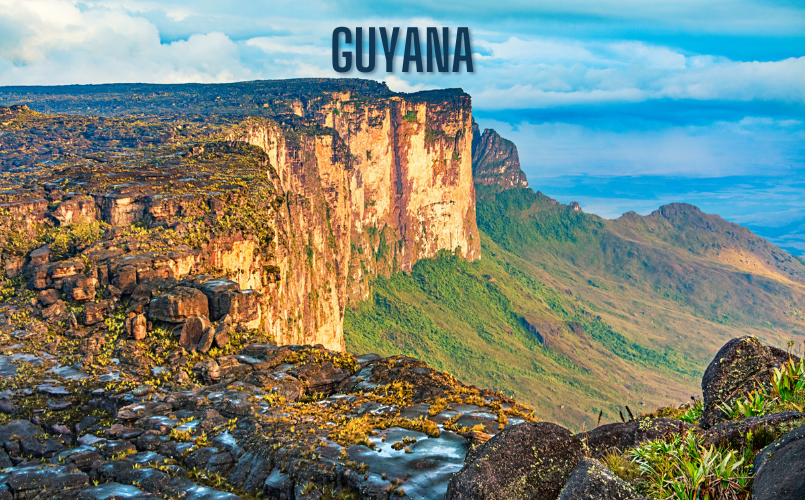
Guyana: South America’s Wild Frontier
Guyana, located along South America’s northern coast, is defined by vast rainforest, winding rivers, open savannah, and a cultural identity that feels more Caribbean than Latin American. As the only English-speaking country on the continent, it offers a distinct perspective within the region. In recent years, Guyana has gained recognition for its commitment to conservation and community-based tourism, preserving large areas of intact rainforest while maintaining strong Indigenous leadership across interior regions. The result is a travel experience that feels grounded, immersive, and deeply connected to place.
Culturally, Guyana reflects a blend of Afro-Caribbean, Indigenous Amerindian, Indian, and British colonial influences. This mix is evident in its cuisine, music, religious traditions, and daily life. Markets in Georgetown sell cassava bread alongside Indian-inspired curries, while reggae and soca play in the background. Community identity and heritage remain central, particularly in rural and interior regions where traditions are actively lived rather than performed for visitors.
Visually, Guyana feels unpolished in an intentional way. Georgetown’s tall wooden colonial buildings and hand-painted storefronts reflect its British past, while villages along rivers and in the savannah prioritize function over form. Craftsmanship, boat-building, and Indigenous artistry remain important parts of daily life. Infrastructure is modest outside the capital, reinforcing the sense that nature — not urban development — defines the country’s aesthetic.
Guyana’s tropical climate brings warm temperatures year-round, with seasonal rains sustaining its rivers and forest ecosystems. Drier months provide better access to interior lodges and wildlife-rich regions, while wetter periods bring dramatic river levels and vibrant landscapes. Activities range from scenic flights over Kaieteur Falls and guided rainforest walks to river safaris, wildlife tracking, and visits to Indigenous communities.
Kaieteur Falls — Guyana’s Natural Icon
Set deep in the rainforest, Kaieteur is one of the world’s most powerful single-drop waterfalls, nearly five times taller than Niagara. Most visitors arrive by small aircraft, making the approach as unforgettable as the falls themselves.
Rupununi Savannah — Remote and Expansive
In southwestern Guyana, the Rupununi stretches across open grasslands dotted with ranches and Indigenous villages. Wildlife sightings range from giant anteaters to jaguars, with stays centered around small, community-led lodges.
Best time to travel
September–November or February–April for drier conditions and easier access to interior regions.
Recommended duration
7–10 days to explore rainforest, savannah, and cultural highlights at a comfortable pace.
Pairs well with
Suriname for a broader Guianas exploration or Barbados for a Caribbean extension.
Cost factors
Mid-to-high due to internal flights and remote eco-lodges, with added value in exclusivity and conservation impact.
Ready to book a trip?
If this email has readied you to fly off to this destination (or any other place), hit the button below to set up your complimentary consultation!